Anthropic · 2026-04-23 · major
Anthropic Explains Three Bugs Behind Claude Code's March–April Quality Drop
Three compounding bugs degraded Claude Code March–April: reasoning effort quietly downgraded to medium, a caching bug wiped thinking history every turn, and a verbosity prompt cut coding quality 3%. All fixed April 20; usage limits reset for all subscribers.
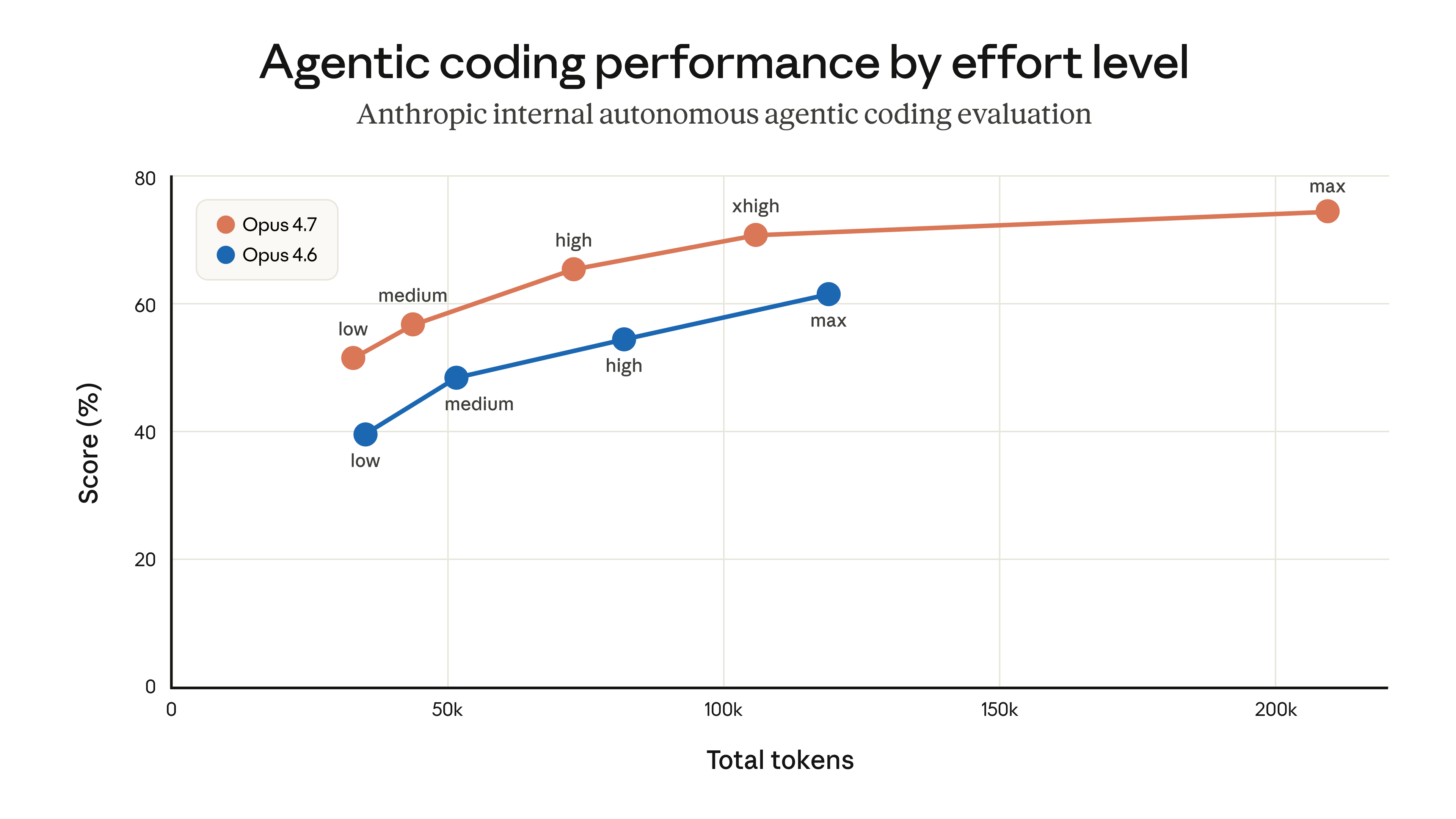
Anthropic diagnosed the Claude Code regression — three separate engineering mistakes compounded over six weeks, now fixed.
What is it?
On April 23, 2026, Anthropic published a detailed engineering postmortem explaining why Claude Code felt worse from March to April. Three separate issues compounded: (1) Reasoning effort was quietly downgraded from 'high' to 'medium' on March 4 to reduce UI freezing. (2) A caching optimization shipped March 26 had a bug — instead of clearing thinking history once after an hour of idle time, it cleared the history on every subsequent turn, making Claude amnesiac and draining usage limits faster. (3) A system prompt added April 16 limiting responses to 25 words between tool calls cut coding evals by 3%.
How does it work?
All three bugs were fixed by April 20 (v2.1.116). Reasoning effort was restored to 'xhigh' for Opus 4.7 and 'high' for other models. The caching bug was corrected so thinking history only clears once on idle timeout. The verbosity constraint was removed entirely. As reparation, Anthropic reset usage limits for all Claude Code subscribers as of April 23.
Why does it matter?
This is an unusually transparent postmortem from a frontier AI lab, validating weeks of user reports that Claude Code quality had declined. It gives concrete insight into how small engineering changes cascade into significant quality regressions — particularly around caching and context management. The cybersecurity firm data point (Claude introduced vulnerabilities in 52% of tested coding tasks during the regression period) underscores the practical stakes.
Who is it for?
Claude Code users, teams running production Anthropic-powered agents, and anyone following AI reliability engineering