
Anthropic · 2026-11-09 · major
Claude designs electronics — three working devices from short prompts
In short
Anthropic and Diode Computers report that Claude Fable 5.2 designed a speakerphone, a voice-assistant hub and a handheld virtual pet end to end, and all three boards were made straight from its files with no manufacturing back-and-forth.
Anthropic · 2026-11-09 · 4 sources checked
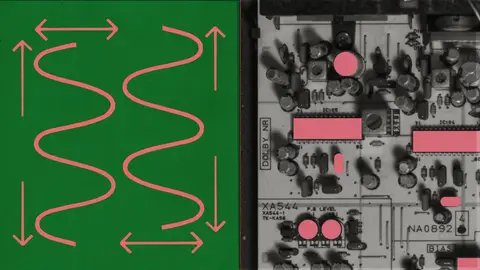
Claude Fable 5.2 took three hardware ideas from a minimal prompt to boards, cases and firmware that still work weeks later.
Quick facts
| Lab | Anthropic, with Diode Computers |
|---|---|
| Model | Claude Fable 5.2 |
| Devices | USB speakerphone, voice-assistant hub, handheld virtual pet |
| PCB Gym (Diode) | 69% (Fable 5: 25%) |
| BenchCAD 2.1 | 83.5% |
| Not yet done | Electrical validation, antenna tuning, thermal tests, certification |
What is it?
Anthropic's Science team says Claude can now design and prototype electronic hardware from start to finish. Working with circuit-board maker Diode Computers, Claude Fable 5.2 designed a USB speakerphone, a voice-assistant hub and a handheld virtual pet, covering specs, schematics, board layout and routing, 3D-printable cases, firmware and parts lists.
How does it work?
Claude worked in Diode's design software, including KiCad's built-in router, read chip datasheets and ran design-for-manufacturing and sourcing checks. It also wrote its own grid-based router in about half an hour that lays a long track in roughly a second. Diode's engineers built and tested the boards under Claude's direction, giving only short instructions like 'clean up the schematic' and 'continue'.
Why does it matter?
Board design is slow, expert work, and Anthropic reports a large jump in model skill: 69% on Diode's internal PCB Gym test for Fable 5.2 against 25% for Fable 5, and 83.5% on the public BenchCAD 2.1. The limits are real, too: the devices have not had electrical validation, antenna tuning, thermal testing or certification, and were not designed for mass production.
Who is it for?
hardware engineers and makers
Frequently asked questions
- Did Claude build the circuit boards itself?
- No. In Anthropic's electronics experiment Claude Fable 5.2 produced the design files, firmware and assembly steps, but it had no access to test equipment or manufacturing machines. Engineers at Diode Computers assembled the boards and ran the firmware under Claude's direction. Anthropic says all three boards were made directly from Claude's files with no manufacturing back-and-forth.
- How much better is Claude Fable 5.2 at circuit design than earlier Claude models?
- Anthropic reports that Claude Fable 5.2 scored 69% on PCB Gym, Diode Computers' internal board-design benchmark, compared with 25% for Claude Fable 5. On the public BenchCAD 2.1 benchmark it scored 83.5%, which Anthropic says is nearly double Claude Fable 5.1. Testing began about a year earlier, when models could not reliably lay out a board.
- Are Claude's electronics designs ready for mass production?
- No. Anthropic says the speakerphone, voice hub and virtual pet still work after weeks of use, but they have not been through electrical validation, antenna tuning, thermal testing or certification, and were not designed for mass production. Anthropic's next steps are denser and faster boards, checking designs in simulation and learning from measurements of finished devices.
- What design problems did Claude solve on its own during the project?
- Anthropic gives examples: for the voice hub, Claude saw that a 25 mm microphone port would resonate near 3.4 kHz and used a wedge-shaped case to shorten it to about 10 mm, raising resonance to about 8.9 kHz. It also widened six thin solder-mask openings and added a 25-degree tilt step to the speakerphone assembly instructions.