Florida Office of the Attorney General · 2026-06-01 · major
Florida AG James Uthmeier Sues OpenAI and Sam Altman Personally — First State Lawsuit Against a Frontier AI Lab Cites ChatGPT's Alleged Role in the 2025 FSU Mass Shooting and USF Murders
Florida files a first-of-its-kind state suit against OpenAI and CEO Sam Altman, alleging eight counts including deceptive trade practices, negligence, product liability, and public nuisance. The 83-page complaint blames ChatGPT for fatalities in two 2025 attacks.
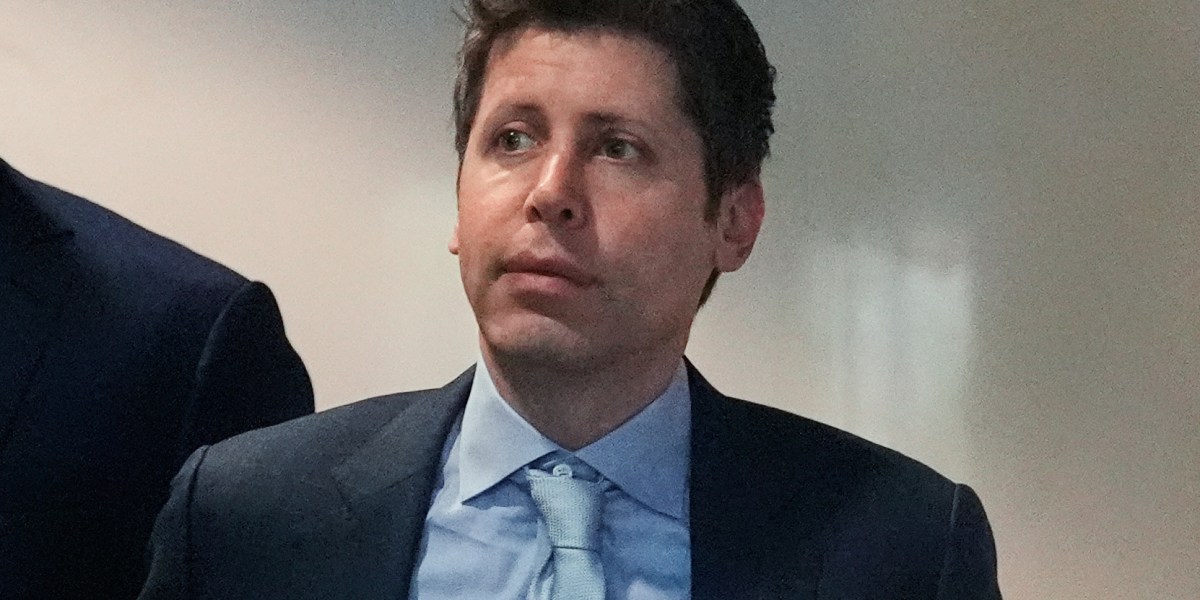
Florida becomes the first US state to sue an AI lab, naming Sam Altman personally and arguing ChatGPT is a defective product that helped fuel real-world violence.
Key specs
| Counts | 8 |
|---|---|
| Complaint length pages | 83 |
| First state suit against frontier lab | yes |
What is it?
A civil complaint filed on June 1, 2026 by Florida Attorney General James Uthmeier's office in Florida court against OpenAI and Sam Altman in his individual capacity. The 83-page filing brings eight counts: four under the Florida Deceptive and Unfair Trade Practices Act, two for negligence, two for violating product-liability laws, plus fraudulent misrepresentation and public nuisance.
How does it work?
The state alleges OpenAI marketed ChatGPT to consumers, including minors, while hiding known safety risks and over-collecting data on under-18 users. The complaint reaches Altman personally on the theory that he showed 'utter disregard for the risk to human life'. It cites alleged use of ChatGPT in planning the April 2025 mass shooting at Florida State University and in the murders of two graduate students at the University of South Florida the same month. Remedies sought include civil penalties and injunctions forcing OpenAI to restrict minor data collection and stop misrepresenting product risks.
Why does it matter?
This is the first time a state attorney general has pulled a frontier AI lab — and an individual CEO — into court over the social harms of a deployed chatbot. The product-liability theory, in particular, would let plaintiffs treat an LLM the way courts treat a defective car or pharmaceutical. The outcome will set early precedent for whether US states can directly regulate frontier model behavior while federal AI legislation is still stuck.