Interconnects AI · 2026-05-07 · notable
Nathan Lambert: Notes From Inside China's AI Labs
After visiting most of the leading Chinese AI labs, Lambert writes up the cultural and structural differences shaping how DeepSeek, Moonshot, Qwen and peers ship models with fewer chips and almost no domestic data industry.
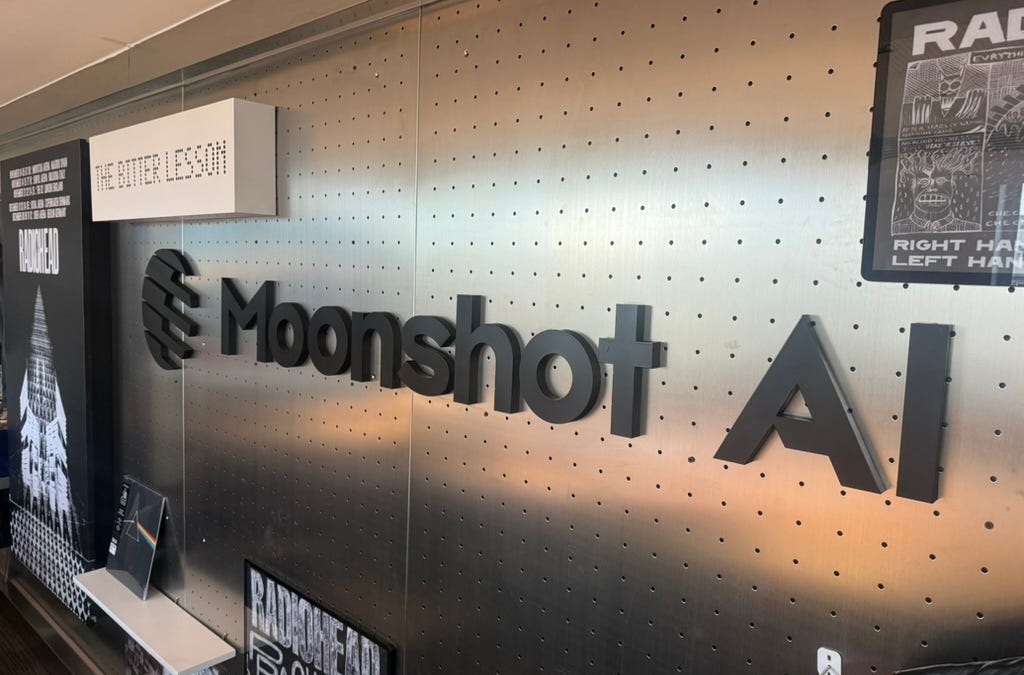
Lambert's on-the-ground report after touring DeepSeek, Moonshot, Qwen and other Chinese labs — the constraints that turn into competitive advantages.
What is it?
A long-form Interconnects post by Nathan Lambert (Allen Institute, ex-HuggingFace) recounting visits to most of the leading Chinese AI labs. Rather than a model review or a benchmark piece, it is a structural read on how the Chinese ecosystem is set up: who staffs the labs, what gets shipped, where compute and data come from, and how researchers there think about open weights vs. American competitors.
How does it work?
Lambert breaks the differences into a few axes. Team composition: many core contributors are still graduate students, often rotating through multiple labs. Culture: less individual-celebrity science, more team-oriented and patient about unglamorous engineering. Constraints: chip access is unreliable, there is almost no domestic 'data industry' the way Scale AI plays in the U.S., and labs lean on shared open ecosystems. He pairs each observation with caveats from the researchers themselves.
Why does it matter?
U.S. policy debates about Chinese AI (export controls, the 'distillation panic' Lambert wrote about last week, the proposed pre-release vetting EO) are mostly run by people who have never set foot in these labs. This is a primary-source field report from one of the most careful Western observers of open-source AI, and it lands the same week as Anthropic–SpaceX, the China VC freeze headlines, and DeepSeek's $45B fundraise. Anyone reasoning about open-source competition should read it before forming priors.
Who is it for?
policy folks, ML researchers tracking Chinese open-weights labs, journalists writing about the U.S./China AI gap