Simon Willison · 2026-08-28 · notable
Simon Willison — a rumour of a bug is now enough to build an exploit
Simon Willison highlights Anil Madhavapeddy's report that AI coding agents turn a public bug discussion into a working exploit within minutes, which breaks the embargo model open-source projects depend on.
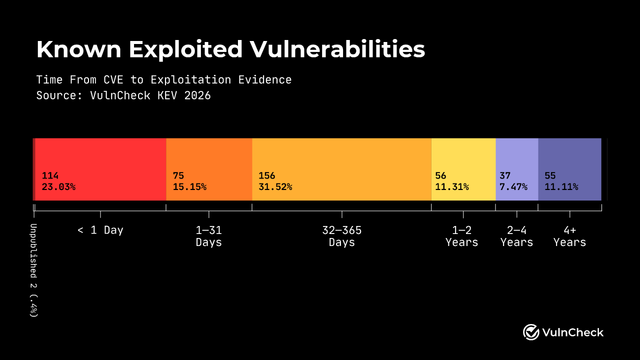
Public patch talk is now enough for an AI agent to write a working exploit, so security embargoes no longer buy maintainers any time.
What is it?
Simon Willison flags a note by Anil Madhavapeddy, a Cambridge professor and OCaml compiler maintainer, who saw probes against a cohttp path-traversal bug within 10 minutes of the public pull request that discussed it. Madhavapeddy then built a working exploit for the same bug himself in under a minute using DeepSeek V4 Pro.
How does it work?
Automated watchers scrape public repositories for any hint of a fix, then feed the diff or the advisory text to a coding agent that writes the exploit. Madhavapeddy cites research where LLM agents exploited 87% of vulnerabilities when handed the CVE description and only 7% without it, and puts the current mean time to exploit at minus seven days — the attack arrives before the patch.
Why does it matter?
Maintainers are already carrying the cost. The rclone project received roughly 20 security disclosures over ten years, then more than 40 in a single month, about 75% of them genuine, while CVE assignment slipped from two or three days to three or four weeks. Madhavapeddy's proposed answer is private development infrastructure and continuous shipping rather than embargo windows.
Who is it for?
open-source maintainers and security teams