Academy of Motion Picture Arts and Sciences · 2026-05-01 · major
Oscars Bar AI Actors and Writers — 99th Academy Awards Require 'Demonstrably Performed by Humans'
AMPAS rules that only roles 'credited in the film's legal billing and demonstrably performed by humans with their consent' qualify for acting Oscars, and screenplays must be human-authored. Filmmakers must sign an Affidavit of Human Origin.
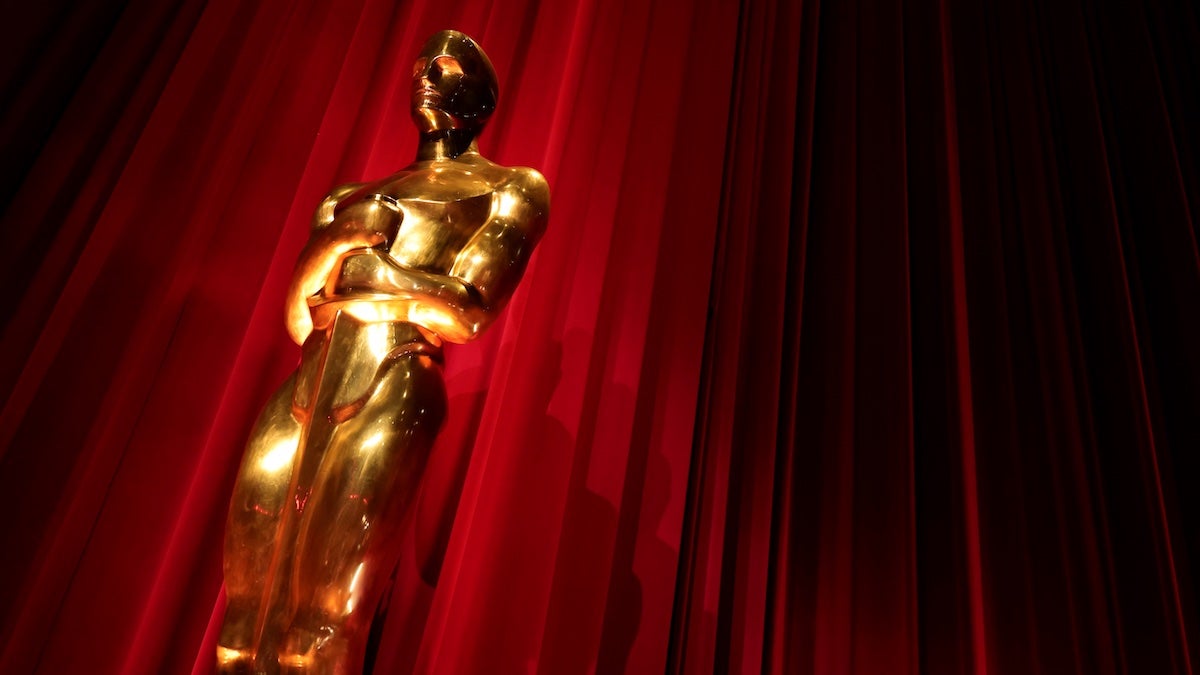
The Academy formally rules synthetic actors and AI-written screenplays ineligible for Oscar nominations starting at the 99th ceremony.
What is it?
A rule update from the Academy of Motion Picture Arts and Sciences that codifies how generative AI interacts with Oscar eligibility. Acting nominations now require performances 'demonstrably performed by humans with their consent', and screenplay nominations require human authorship. Producers must sign an Affidavit of Human Origin, with fraudulent claims punishable by a permanent Academy ban.
How does it work?
The rules apply to the 99th Academy Awards in March 2027. The Academy reserves the right to request documentation about the nature of AI use and the human contribution behind any submission. Acting and writing categories are gated; technical categories such as visual effects, sound design, and editing remain eligible for AI-assisted work, since the Academy treats those tools as part of standard craft.
Why does it matter?
This is the first concrete eligibility line drawn by a major creative-industry body against generative AI in performance and authorship. It lands while studios experiment with synthetic performers and AI-assisted screenwriting, and gives agents, guilds, and producers a clear bar to plan around. Lower-stakes AI uses (de-aging, VFX) are explicitly carved out, signalling where AI in film is and isn't acceptable to peers.