Meta · 2026-09-08 · major
Muse — Meta's personal AI agent runs in its own secure virtual machine
Meta launched Muse, a personal AI agent that shops, books travel and fills in forms for you. Each person's Muse runs in a dedicated cloud VM where a separate Sentinel agent has to approve anything that leaves the machine.
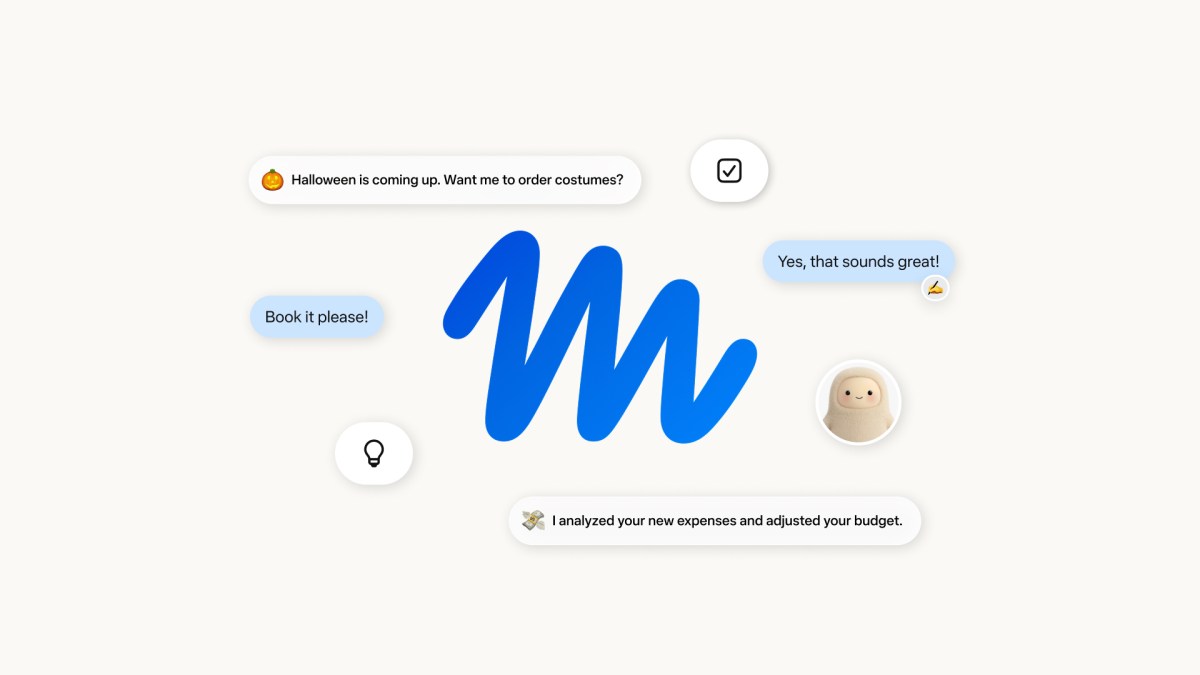
Meta's Muse takes an errand end to end — shopping, bookings, forms — from an ordinary chat thread.
Quick facts
| Maker | Meta |
|---|---|
| Model | Muse Spark |
| Where to use it | Muse app on iOS and Android, WhatsApp, muse.ai |
| Availability | US only at launch, age 18+ |
| Price | Free for most use, with paid subscription plans |
| Isolation | Per-person Muse Secure VM plus a separate Sentinel agent |
| Payments | Link by Stripe one-time-use cards; Shop Pay and 1Password coming |
What is it?
Muse is a personal AI agent Meta launched on September 8, 2026 that carries out tasks rather than only answering questions. You message it in the Muse app or inside WhatsApp and describe a goal; Muse builds a plan, opens a browser, fills out forms and keeps working after you close the app, coming back when something changes or when it needs approval. Meta aims it at everyday jobs: schedules, shopping, and turning long-term goals into action plans.
How does it work?
Every person gets a dedicated cloud virtual machine, Muse Secure VM, that holds both the agent and the credentials for any service they connect. A second agent called Sentinel runs on the same machine but is kept apart at the system level, and nothing Muse does reaches the internet unless Sentinel approves it. Credentials go into secure storage, so the agent can use a password without ever seeing it. The reasoning runs on Muse Spark, Meta's most capable model.
Why does it matter?
Consumer agents have mostly stalled on trust — handing a model your inbox and your card is a big ask. Meta's answer is containment: per-person isolation, an approval checkpoint before sensitive actions such as sending an email or buying something, a full audit trail of what the agent did and plans to do, and one-time-use cards through Link built by Stripe so real card details stay hidden. Meta also says Muse conversations are not shared with its ad systems.
Who is it for?
people who want an assistant to run errands
Frequently asked questions
- How much does Meta Muse cost?
- Meta says Muse is free for most of what people need, with subscription plans for those who want to do more. The launch announcement does not list subscription prices. Muse is rolling out in the United States on iOS, Android and muse.ai, and Meta says support for its AI glasses is coming.
- Can Muse buy things without asking me?
- No. Muse checks with the person before sensitive actions such as sending an email or making a purchase. When it does pay, it checks out with Link built by Stripe, whose wallet for agents issues a one-time-use card so real card details stay hidden. Meta says Muse is the first AI agent covered by Link's purchase protections.
- What data can Meta see from Muse?
- Meta says Muse has no visibility into passwords or payment methods, that conversations and VM data are not shared with Meta's ad systems, and that people can opt out of their interactions being used to train Meta's models. A Muse Confidential VM, encrypted with a key only the user holds, is planned for later this year.
- Where can I use Muse?
- Muse runs in a standalone app on iOS and Android, on the web at muse.ai, and inside WhatsApp, so talking to it works like messaging a person. Meta says it is US-only at launch and limited to people 18 and over, with more countries added over time and AI glasses support coming.
Try it
https://muse.ai