
OpenAI · 2026-11-13 · major
ChatGPT Wallet — OpenAI's agents can now buy things for you
In short
ChatGPT Wallet lets agents in ChatGPT Work, Codex and dots complete purchases. You save a card once and approve each order with Face ID or a fingerprint. It starts with US Pro users over 18, built with Amex, Mastercard and Visa.
OpenAI · 2026-11-13 · 2 sources checked
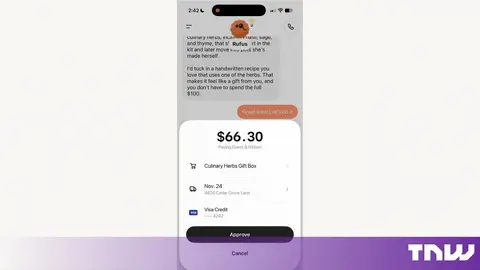
OpenAI gives its agents a way to pay, with a one-time-use card token and your approval on every order.
Quick facts
| Maker | OpenAI |
|---|---|
| Launched | November 13, 2026 |
| Works in | ChatGPT Work, Codex and dots |
| Availability | US ChatGPT Pro users aged 18+, eligible US cards |
| Card networks | American Express, Mastercard, Visa |
| Approval | Biometric check (Face ID or fingerprint) per purchase |
| OpenAI fee | No cut of purchases for now (CNBC) |
What is it?
ChatGPT Wallet is a new payment feature that lets OpenAI's agents in ChatGPT Work, Codex and dots finish a purchase for you. You add a card once, ask your agent to find what you want, then review the items, the total and the card before you approve. OpenAI built it with American Express, Mastercard and Visa, and cardholders keep their existing rewards and dispute protections.
How does it work?
After you approve with a biometric check such as Face ID or a fingerprint scan, the card network issues a payment token that stands in for your real card, with its own card number, security code and expiry date. According to OpenAI, neither the agent nor the merchant ever sees the real card details. Each approval also leaves a record of exactly what you allowed the agent to buy, and the merchant still handles pricing, delivery, returns and support.
Why does it matter?
Payment has been the missing step for shopping agents: dots could find and compare products but not pay. The token design keeps card numbers away from the model, which is the main security worry with agent purchases. Merchants are the open question, since United Airlines blocks agent bookings and Amazon stops agent purchases, so OpenAI also published a playbook to stop sites from blocking its agents by accident.
Who is it for?
US ChatGPT Pro users, online merchants
Frequently asked questions
- Who can use ChatGPT Wallet?
- ChatGPT Wallet is available at launch only to ChatGPT Pro subscribers in the United States who are 18 or older and have an eligible US-issued card. OpenAI says it is starting small to learn from real use. American Express's Luke Gebb told CNBC the limited rollout is the right approach and that OpenAI can widen it later.
- Does OpenAI take a fee on ChatGPT Wallet purchases?
- OpenAI is not taking a cut of ChatGPT Wallet transactions to start, CNBC reported. Shoppers pay the merchant's normal price, and the merchant keeps control of pricing, delivery, returns and customer service. Cardholders also keep their usual credit card rewards and their card's protections for eligible disputes, such as a defective item.
- Can an agent spend money with ChatGPT Wallet without asking me?
- At launch, every ChatGPT Wallet purchase needs your approval: you review the items, the total and the card, then confirm with a biometric check. OpenAI says that over time it expects people to hand some purchases fully to their agent, with limits on spending, product categories or time periods, but that is a future plan rather than a launch feature.
- Will every shopping site accept ChatGPT Wallet purchases?
- No. OpenAI warns that some websites may block agent purchases by accident and that fraud systems may flag real agent orders, causing declines or cancellations. United Airlines blocks agents from booking tickets and Amazon stops agent purchases on its platform. OpenAI published a playbook for businesses and works with fraud partners Forter, Riskified, Sardine and Signifyd.
- How is ChatGPT Wallet different from Instant Checkout?
- Instant Checkout, launched in autumn 2025, let people buy single items directly inside ChatGPT, and OpenAI moved away from it soon after, CNBC reported. ChatGPT Wallet is built for agents instead: a dot or a Codex agent finds the item and completes the purchase on the merchant's site with a network-issued payment token after you approve it.