prinz · 2026-09-17 · notable
GPT-6 Astra reads a 1918 German radio cipher — matched to Royal Navy logs
A writer publishing as prinz reports that GPT-6 Astra broke a 170-symbol ADFGVX message sent on 27 November 1918, using the key TRUPPENVERSCHIEBUNG. The plaintext matches HMS Canterbury's movements at Sevastopol.
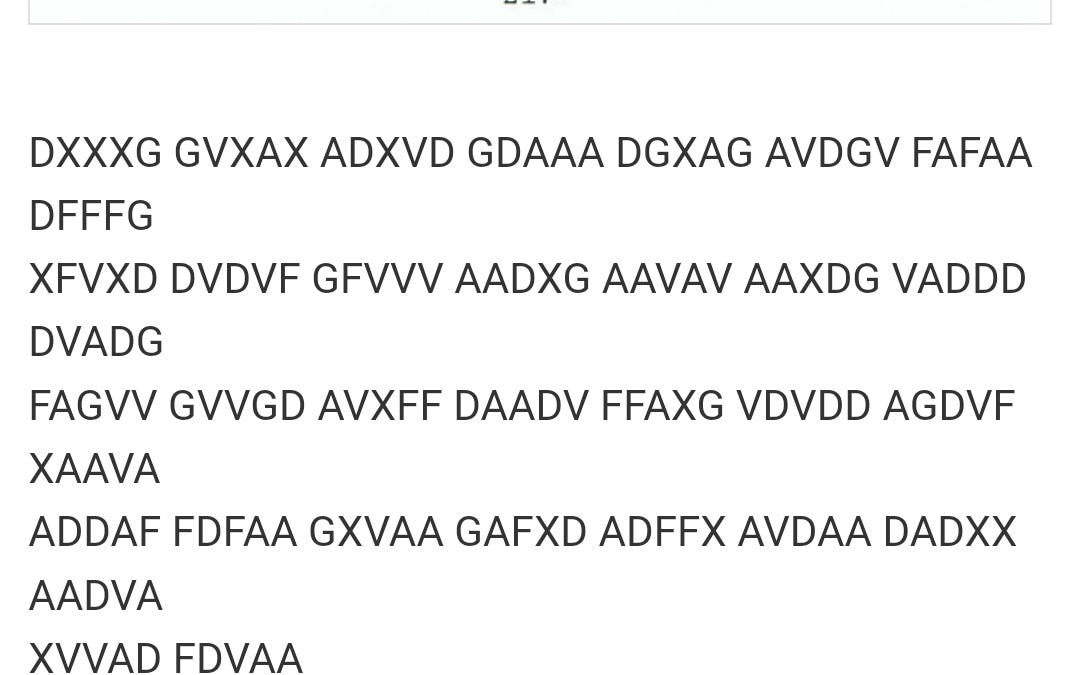
170 symbols of First World War German radio traffic, read by a model and checked against a Royal Navy ship's movements.
What is it?
ADFGVX is the cipher at the centre of the post: a German field system that fractionates letters and then transposes them, used on wartime radio traffic. prinz set GPT-6 Astra on an intercept of 170 symbols — eight rows of 19 plus one of 18 — transmitted on 27 November 1918, and published the resulting plaintext on 17 September 2026.
How does it work?
The solution turns on the transposition key TRUPPENVERSCHIEBUNG, which unscrambles the message into: "AN ENGLISH CRUISER ARRIVED AT SEVASTOPOL ON THE ?4TH AN ALLIED SQUADRON FOLLOWS ON THE 26TH". prinz then went to the historical record rather than stopping at plausible German: HMS Canterbury reached Sevastopol on 24 November 1918, and an allied squadron followed on the 26th, which is what the decrypt says.
Why does it matter?
Cracking a cipher is the rare AI demonstration with an external check built in — either the key produces coherent German that matches independent naval records, or it does not. prinz flags one loose end and does not explain it: TRUPPENVERSCHIEBUNG is documented as an official key only from 9 December 1918, yet this message was sent on 27 November. The post is a single first-person account, so the result wants an independent cryptographic review before it is treated as settled. It drew 304 points and 152 comments on Hacker News.
Who is it for?
cryptanalysis and history readers, plus anyone testing long-horizon reasoning